


No one wants anything to go wrong during a cosmetic procedure, but as an international patient, understanding in advance what to do “in case something does happen” is actually a responsible form of preparation—not a way to curse oneself. Straight answer: If you experience any adverse reactions after getting medical beauty treatments in South Korea, you should contact the clinic where you had the procedure right away and keep all records of your visits. You can also seek assistance through channels such as South Korea’s embassies and consulates or consumer protection agencies.
This article isn’t meant to scare you—it’s designed to help you build a clear understanding of “medical aesthetics safety in South Korea,” so you can feel more confident when choosing a clinic, signing consent forms, and following up after the procedure.

Want to take a look at South Korea’s top 10 most popular cosmetic procedures, their prices, and associated risks all at once? Check out this comprehensive guide:【2026 Update】Which Medical Aesthetics Clinics Are the Best in South Korea? A Complete Guide to the Top 10 Popular Procedures。
Table of Contents
The first step to safe medical aesthetics in South Korea: How to choose a reliable clinic before surgery?
Straight answer: Choosing a clinic that is officially registered with a medical authority and staffed by licensed doctors for personal consultations, and making sure you have clear post-surgery contact information, are the three most essential safeguards before the procedure.
。
Before heading out, you can check the clinic’s registration details as a medical institution through official or third-party platforms. During the consultation, you can also directly ask about the qualifications and years of experience of the performing physician.
Reputable clinics usually don’t avoid such questions. If a clinic seems hesitant or unwilling to provide information on basic qualifications, it’s a red flag that warrants caution.
During the procedure: What should you pay attention to when signing the consent form?
The consent form typically lists the treatment procedures, the brands of products or devices used, as well as possible side effects and risks.
Before signing, be sure to check item by item whether the contents match what was discussed during your in-person consultation. It’s even better if there’s a Chinese version of the consent form. If only the Korean version is available, ask the clinic staff to explain each item verbally clearly—don’t rush to sign if there are parts you don’t understand.
- Verify whether the treatment name and details match those from the in-person consultation.
- Verify the brand of products/instruments used, as well as the dosage/number of sessions
- Learn about possible side effects and emergency response methods
- Confirm the total cost and payment method—no hidden fees.
After the procedure: What should I do if I experience discomfort?
If you experience abnormal pain, skin discoloration, fever, or other unusual symptoms after the procedure, you should contact the clinic where you had the treatment right away to explain your situation—don’t try to judge on your own and wait to see how it develops.
If the situation is urgent or the original clinic cannot respond promptly, you should go to the local hospital’s emergency department as soon as possible. Safety always comes first—don’t delay seeking medical help just because you’re worried about the hassle.
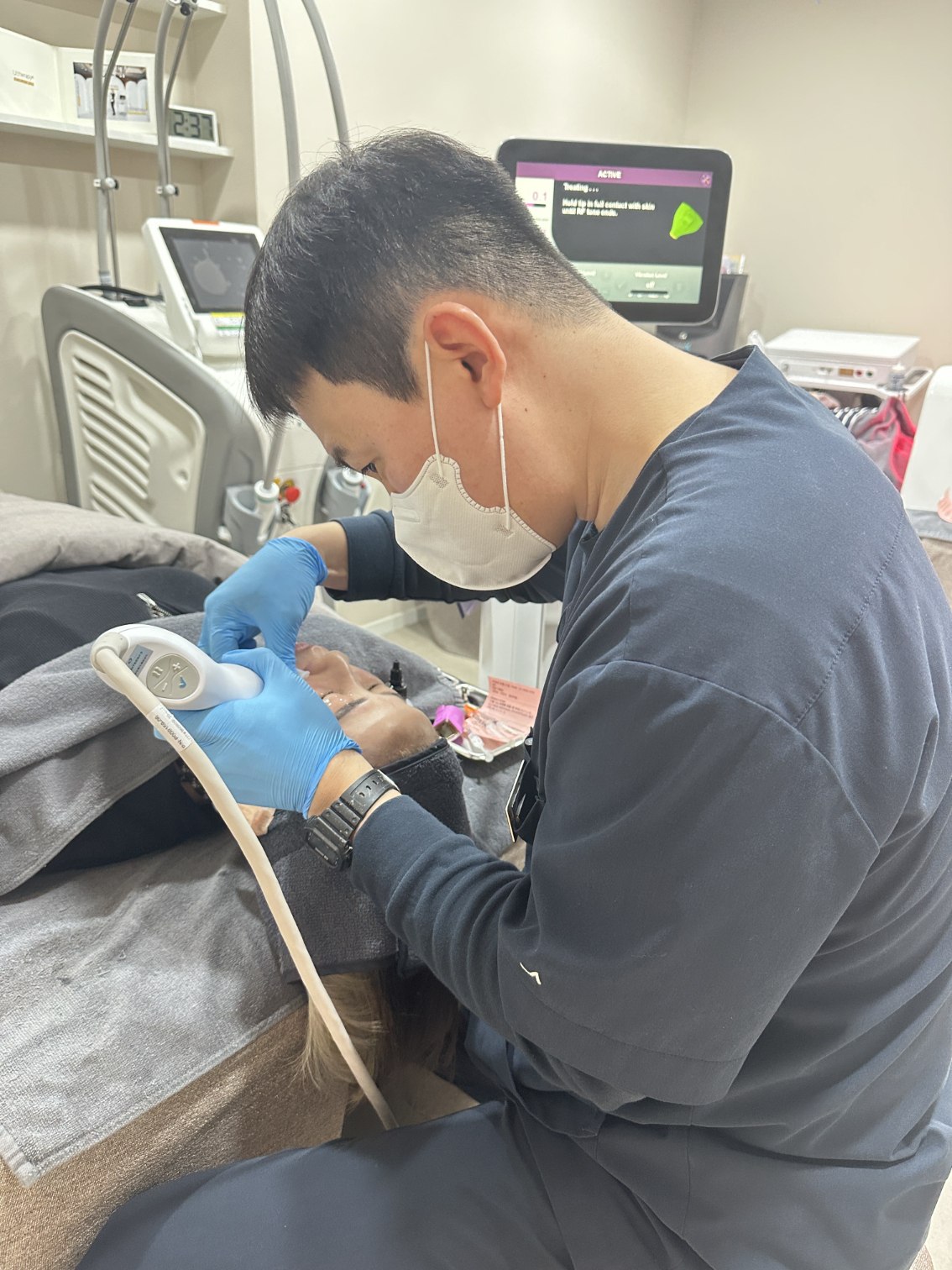
Help channels for international patients seeking cosmetic surgery
In addition to contacting the clinic directly, international patients seeking cosmetic procedures can also keep an eye on the following options:
- Local medical dispute resolution agencies (South Korea has institutions such as the Medical Dispute Resolution and Arbitration Board)
- The local consular office of the country or region you belong to can assist with contacting emergency services.
- For emergency assistance through travel or health insurance, it’s recommended to check the coverage details of your policy before you go.
Buying travel insurance that covers medical risks before departure is a precaution taken by many experienced cosmetic surgery seekers — in case they need medical treatment, the insurance can significantly reduce their financial burden.
Frequently Asked Questions
Q1: If I notice something’s wrong after the procedure and return to Hong Kong, what can I do?
It’s recommended to first contact the original clinic to explain your situation and find out what kind of assistance they can offer (such as video consultations). At the same time, you should seek medical attention as soon as possible at a nearby clinic, where a local doctor can assess your actual condition—don’t rely solely on your own judgment.
Q2: How can I verify if a clinic is officially registered as a medical facility?
You can check the clinic’s name and doctors’ qualifications directly during an in-person consultation, or verify them through the public inquiry system of the local health authorities. Reputable clinics generally are happy to assist with these verifications.
Q3: Is it necessary to buy insurance before heading out?
While it’s not mandatory, it’s highly recommended to purchase travel insurance that covers local medical risks, especially for trips involving cosmetic procedures—having an extra layer of protection can help ease both financial and emotional burdens in case of an accident.
Before you go, be sure to take screenshots of the clinic’s official name, address, and contact information for easy reference if needed.
When signing the consent form, if there are any terms you don’t understand, be sure to ask for clarification right away—don’t be afraid of causing trouble.
It’s recommended to purchase travel medical insurance before you go, with coverage that includes emergency situations related to cosmetic procedures.
If any abnormal reactions occur after the procedure, you should contact the original clinic right away to discuss the appropriate course of action.
If the condition persists after returning to Hong Kong, you can also see a doctor here for a preliminary assessment.
Doing your homework and asking plenty of questions before making an appointment is the most responsible thing you can do for yourself.
Just a reminder to everyone: medical dispute resolution mechanisms vary from country to country. It’s best to familiarize yourself with the local complaint channels before you travel.
If you arrange the treatment through an agency, be sure to clarify the division of responsibilities between the agency and the clinic.
During the pre-surgery consultation, you can proactively ask to see the doctor’s license and past cases.
When it comes to medication or anesthesia-related information, be sure to proactively disclose your allergy history.
During the post-surgery recovery period, make sure to follow up as prescribed by your doctor and don’t skip appointments just because you’re busy with other plans.
One last tip: choose a clinic with a good reputation and Chinese-speaking staff, as it will make communication smoother and more reassuring.
Before you go, you can first consult friends who have already done it and hear about their real experiences.
When making an appointment, pay attention to how quickly the clinic responds—slow or vague replies are also things to keep in mind.
Be sure to keep a copy of the contract before signing it, so you can refer to it in the future.
It’s best to use post-surgery care products from the brands recommended by the clinic to reduce the risk of allergies.
If there’s a language barrier, you can ask the clinic to assign a consultant who speaks Chinese to handle it.
Before you go, remember to tell your family about your itinerary and emergency contact information.
It’s really important to stay relaxed—too much stress can actually affect recovery after the procedure.
If you have any questions, ask right away — don’t wait until you’re back in Hong Kong to regret it.
In short, thorough preparation is the best guarantee.
Wish everyone can complete their treatment smoothly and with peace of mind.
If you have any questions, feel free to reach out to us at any time to learn more.
Book a consultation at DAN-A in Myeongdong now!
If you’d like to learn more about whether insurance coverage in this area is suitable for you, or if you’d prefer to schedule a personal consultation with the clinic director, feel free to contact DAN-A in Myeongdong through the following methods:
WhatsApp:
Number search: +821072188830
WhatsApp link:https://wa.me/821072188830
Instagram: Private message @dana_clinickrProvide the appointment date, number of people, and the issues you’d like to address, and the clinic will help arrange a time slot for Chinese-speaking service.
Clinic Name: DAN-A Clinic / 단아의원 / Myeongdong Dermatology
Subway: Exit 6 of Seoul Metro Line 2, “Euljiro Entrance Station,” about 1 to 2 minutes on foot
Business hours: According to the official booking page and latest announcements on Instagram, clinics in South Korea may be closed due to national holidays or schedule changes by the clinic owners. It’s recommended to check in advance before heading there.
The content in this article is for reference only. Actual treatment results may vary depending on individual constitution and skin condition. For a detailed assessment, please refer to the evaluation by the clinic director in person.
。