


Language barriers are one of the biggest concerns for many people from Hong Kong and Taiwan who visit South Korea for medical aesthetics for the first time — it’s crucial that the risks and side effects associated with the treatment be clearly explained. Any communication gap can potentially affect both safety and results. When looking for relevant information, many clinics claim to offer Chinese-speaking services, but in reality, the quality is often far from satisfactory. Straight answer: Truly reliable Chinese-language service isn’t just about having a translator—it also depends on whether the translator is available on-site (rather than just providing phone translation), whether the clinic director personally confirms the treatment plan with you, and whether there are written Chinese versions of the pre- and post-operative instructions. The absence of any of these elements increases the risk of communication gaps.
Want to know the 3 key criteria for choosing a clinic? Check out this article:Looking for top Dermatology options in South Korea? Here are recommended clinics in Myeongdong, along with 3 key criteria to help you make the best choice.。

The level of Chinese-language service varies among clinics, so it’s recommended to check directly with the clinic in advance to confirm the specific arrangements.
For important medical decisions (such as treatment consent forms and information on side effects), it’s highly recommended to have a Chinese version or have a professional provide real-time translation—relying solely on body language is not sufficient.
If you have any doubts about the translation, feel free to ask for a recap or written confirmation to avoid misunderstandings.
Table of Contents
Are the Chinese-language services for medical aesthetics in South Korea reliable enough? 5 key indicators
Indicator 1: Is there a dedicated interpreter accompanying you throughout the in-person consultation, or is communication limited to phone/text before the appointment?
Indicator 2: Will the director personally confirm the plan with you directly (through an interpreter), rather than leaving it entirely to the front desk?
Metric 3: Were there Chinese written versions of the treatment consent form, side effect information, and post-operative guidelines for you to take home?
Metric 4: In case of an emergency or if you have questions after the procedure, are there Chinese-speaking channels available for immediate contact?
Metric 5: Is the response speed for Chinese communication on the internet/social media platforms fast, and are the responses clear and specific?
Common Misconceptions About Chinese Language Services
Myth 1: “Having Chinese labels means there’s Chinese-language service.” Just because the signs and menu price lists are in Chinese doesn’t mean there’s a dedicated translator for in-person consultations.
Myth 2: “A translation app is enough” — Treatment details involve medical terminology, and app translations often fall short. For important decisions, it’s advisable to consult a human translator for confirmation.
Myth 3: “Chinese-language services always come with an extra charge.” — Many clinics that serve overseas clients have already integrated Chinese-language services into their regular operations, so there’s no need for an additional fee.
Chinese service options at DAN-A in Myeongdong
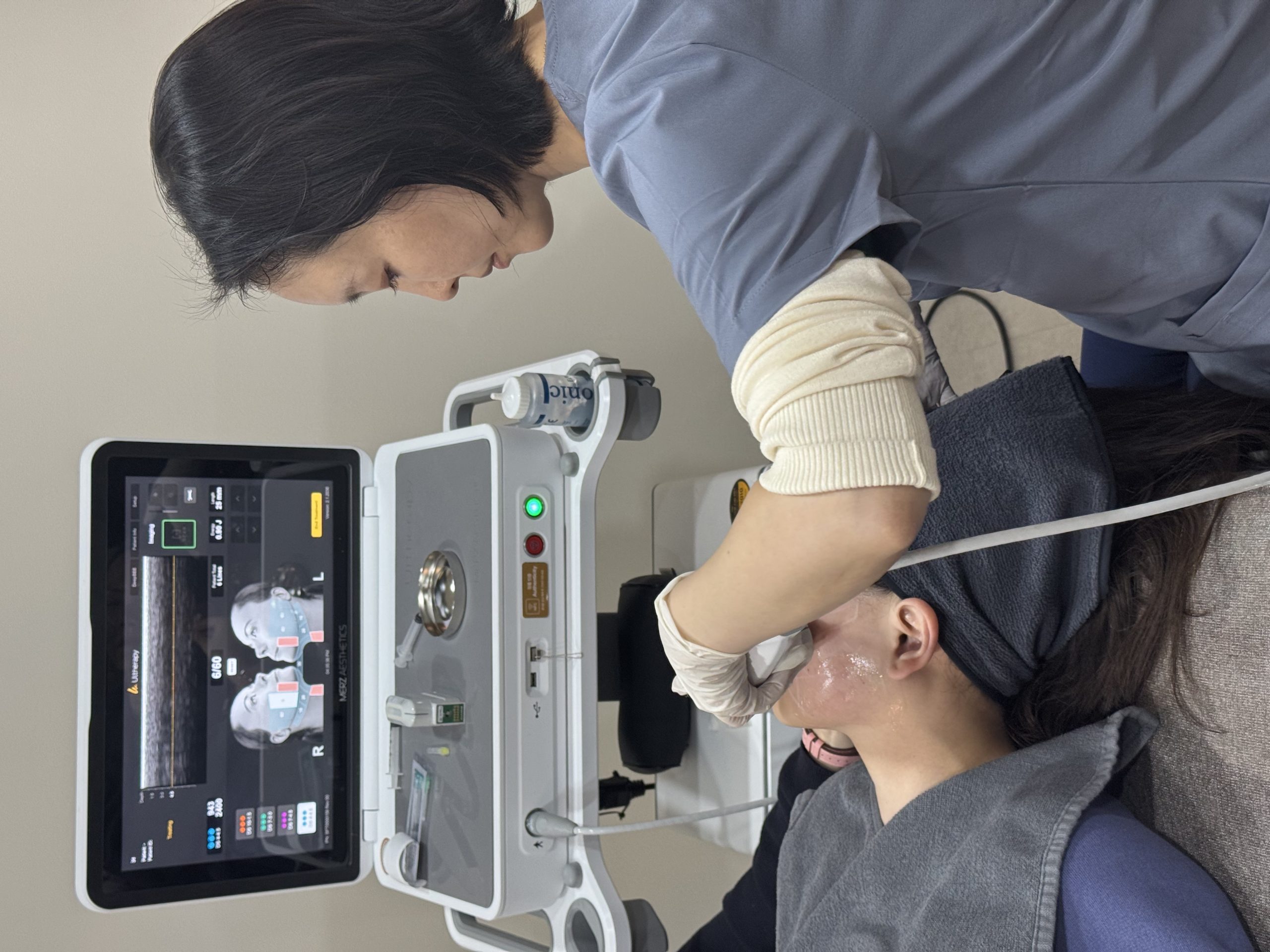
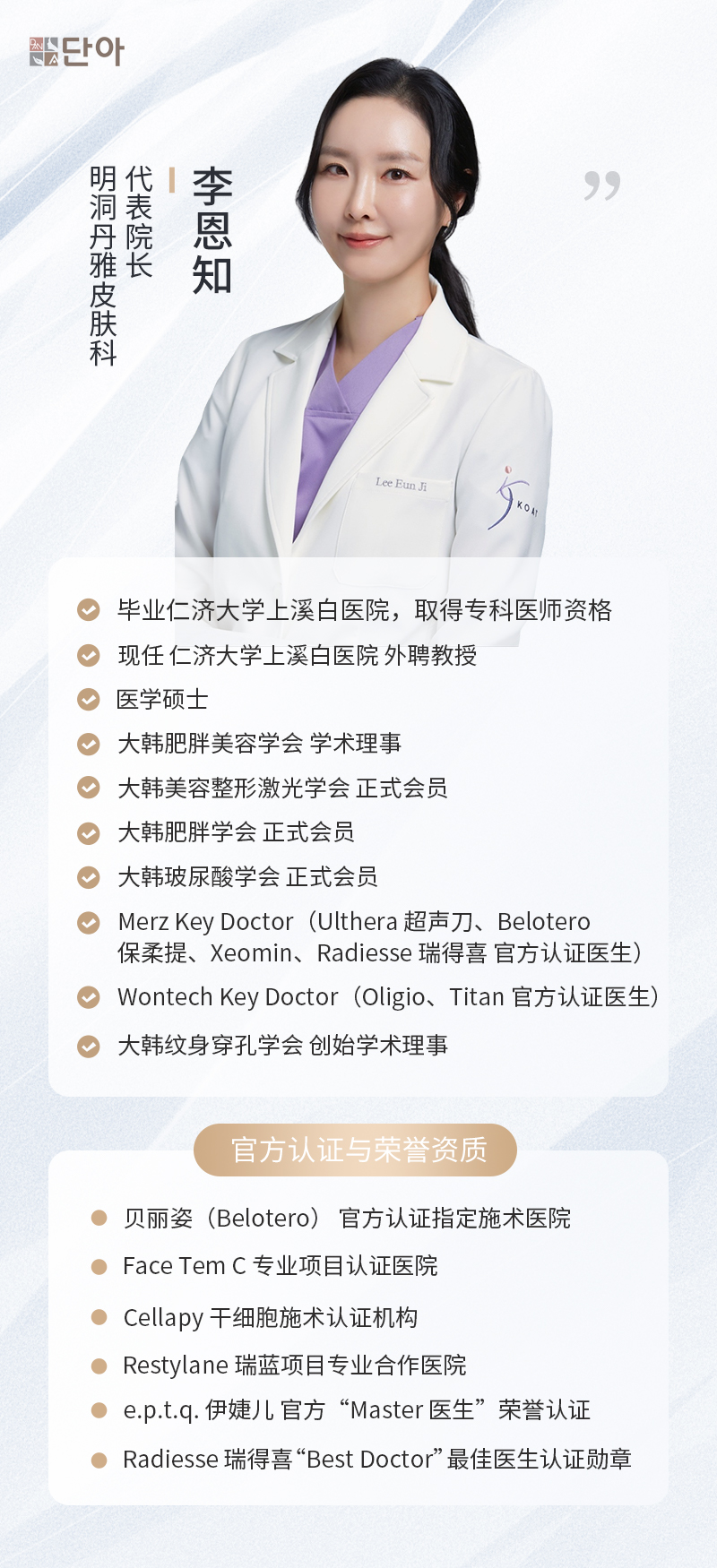
DANA CLINIC in Myeongdong offers Chinese translation services to facilitate smooth communication throughout the consultation process. The clinic director will personally conduct a face-to-face assessment to determine the best treatment plan. For detailed information on relevant criteria, please refer to:Is DAN-A in Myeongdong Reliable? A Comprehensive Breakdown with 6 Key Trust Indicators and Direct Insights from the Director。
When making a reservation, you can mention your preferred time for Chinese-language services via a private message on Instagram, and the clinic will help arrange it.
Frequently Asked Questions
Q1: Should I make sure Chinese service is available when booking?
It’s recommended to mention when making the appointment that you’d like a Chinese translator to accompany you during the consultation, and ask to confirm the specific arrangements for the day of your visit.
Q2: What should I do if there’s no Chinese interpreter during the in-person consultation?
You can proactively request a translation service, or use written communication/applications to confirm important details. If there’s a significant gap in understanding, it’s recommended to postpone your decision and schedule another consultation at a later time.
Q3: After the procedure, if you return to Hong Kong/Taiwan, should you contact the clinic if there are any issues?
It’s recommended to check in advance whether the clinic provides Chinese-language contact options after the procedure (such as WhatsApp or Instagram) for easy inquiries if needed.
Book a consultation at DAN-A in Myeongdong now!
If you’re also looking for a clinic in Myeongdong that offers clear Chinese-language services and in-person consultations by the director, feel free to get in touch with DAN-A in Myeongdong through the following methods:
WhatsApp:
Number search: +821072188830
WhatsApp link:https://wa.me/821072188830
Instagram: Private message @dana_clinickrProvide the appointment date, number of people, and the issues you’d like to address, and the clinic will help arrange a time slot for Chinese-speaking service.
Clinic Name: DAN-A Clinic / 단아의원 / Myeongdong Dermatology
Subway: Exit 6 of Seoul Metro Line 2, “Euljiro Entrance Station,” about 1 to 2 minutes on foot
Business hours: According to the official booking page and latest announcements on Instagram, clinics in South Korea may be closed due to national holidays or schedule changes by the clinic owners. It’s recommended to check in advance before heading there.
The content in this article is for reference only. Actual treatment results may vary depending on individual constitution and skin condition. For a detailed assessment, please refer to the evaluation by the clinic director in person.