

In fact, no medical beauty treatment in South Korea is suitable for everyone. If you’re visiting South Korea for the first time, it’s important to first determine what issues you’d like to address, what recovery period you can tolerate, your budget limit, any previous medical history, and your preferences regarding natural results. Only then can a doctor conduct a face-to-face consultation to recommend the appropriate treatment, area of application, number of sessions, or dosage.
When researching treatment options, many people start by saving a “list of popular procedures”: Thermage, Ulthrea, Sofwave, Potenza, Rejuran, hyaluronic acid injections, Filler, and so on. But the more procedure names there are, the easier it is to overlook what’s truly important: what your specific concerns are, what your facial and skin conditions entail, and how much recovery time you can afford during your trip. Straight answer: There’s no one-size-fits-all answer when it comes to choosing medical beauty treatments in South Korea. You should first identify the specific issues you want to address, determine your acceptable recovery time and budget limit, then let a doctor assess through a face-to-face consultation which treatments, areas, and dosage levels are suitable for you—rather than just focusing on a list of popular procedures.
Choosing medical beauty procedures in South Korea is the first challenge many international patients face before traveling there. This article outlines the key factors to consider and what to focus on during a consultation.
Table of Contents
How to get started choosing medical beauty treatments in South Korea? First, identify these 3 main categories.
Step 1: First, turn your needs into specific questions.
When making an appointment, you don’t necessarily need to say “I want 600 units” or “I want a dose of Filler.” A more effective way to express your needs is: my chin line isn’t defined but I don’t want my face to look sunken; my Pores and acne scars are noticeable as I have a photo shoot in three days; I have obvious dry lines around my eyes but can’t tolerate prolonged swelling; I’d like to improve my facial contours without anyone noticing it was done.
Looseness and Contour: Indicate which areas you’re most concerned about—such as the chin line, Double Chin, excess fat at the corners of the mouth, Buccal Fat, or the area around the eyes.
Skin Type and Acne Scars: Explaining Pores, Oiliness, Red Acne Marks, Sunken Scars, Roughness, and Uneven Skin Tone.
Hydration & Repair: Addresses dryness, fine lines, sensitivity, dullness, and tolerance for pinprick-like sensations or brief swelling.
Volume and Proportions: Explain concerns such as hollows, Nasolabial Fold Correction, and the proportions of the lips or chin, while clarifying what ‘natural’ truly means.
Step 2: Categorize the items based on the issue understood
Loose skin with indistinct jawline
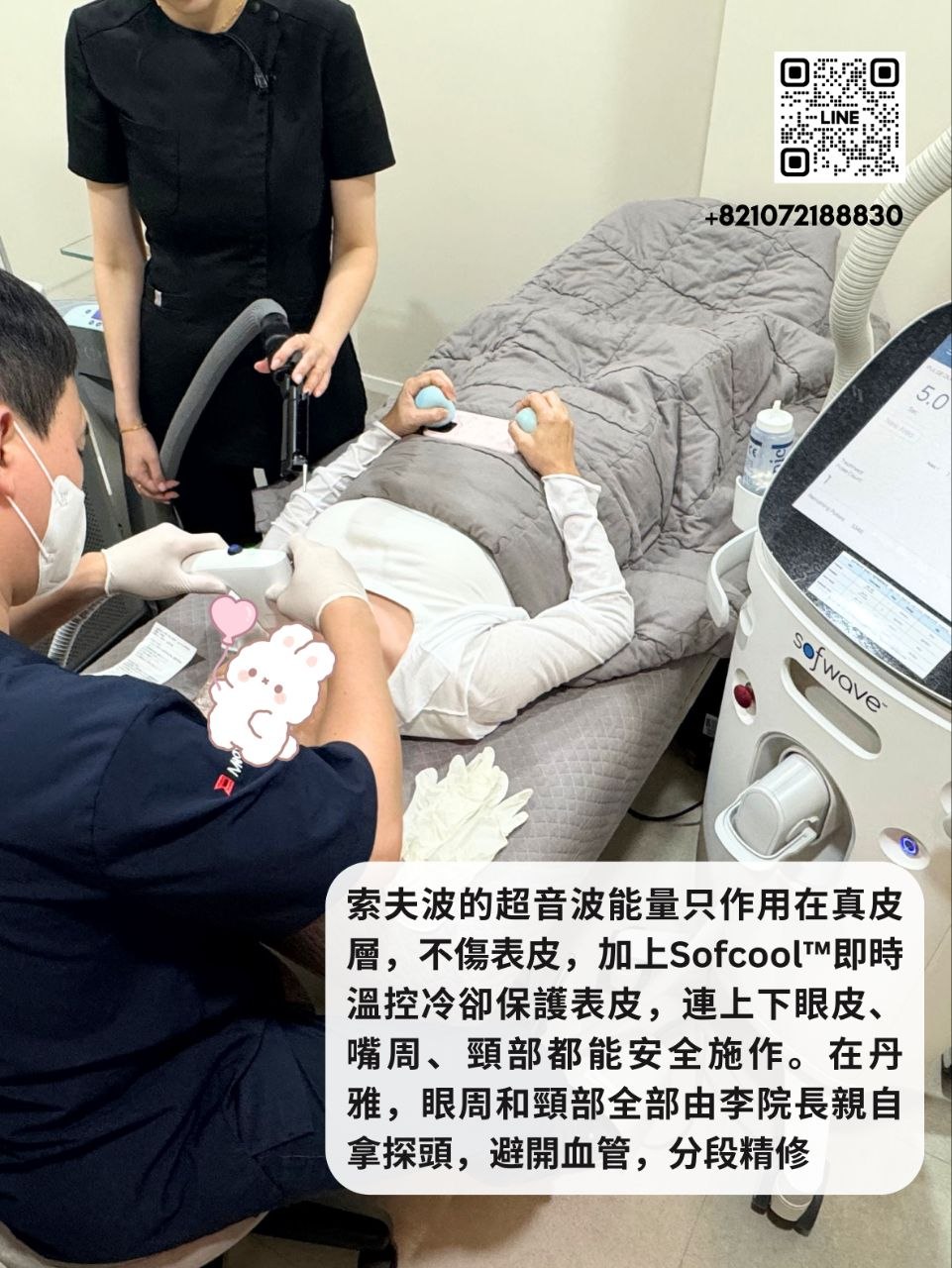
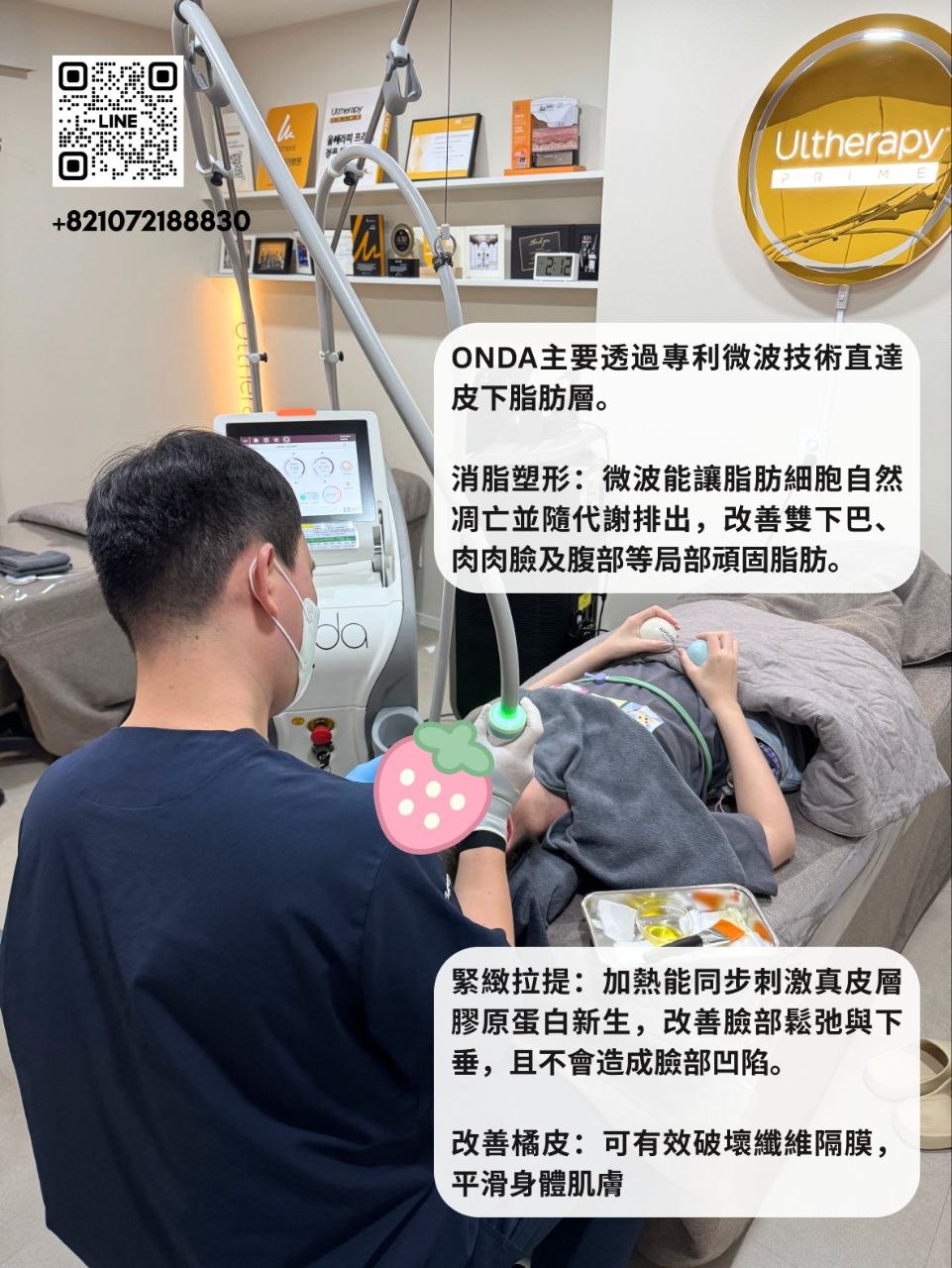
Non-surgical tightening treatments utilize different levels of energy targeting. Ultherapy PRIME employs microfocal ultrasound combined with real-time imaging; Thermage FLX uses radiofrequency energy; Sofwave also relies on ultrasound, but its mechanism and depth of action are distinct. When making a choice, it’s not enough to focus solely on the brand or number of sessions—factors such as skin thickness, fat volume, areas of sagging, and the degree of improvement desired must also be taken into account. Those with thinner faces who are concerned about hollows should clearly specify the areas they want to preserve during a face consultation.
Pores, acne scars, and rough skin
Potenza combines micro-needles with radiofrequency energy and is commonly used to address issues such as Pores, acne marks, scar tissue, skin texture, and elasticity. The intensity of the treatment, needle size, depth, and additional procedures used can all affect post-treatment outcomes, so don’t assume someone else’s recovery time will apply to you. If you have plans to take photos, go out for meals, or attend important events, be sure to mention them before scheduling your appointment.
Dryness, dullness, and fine lines
Hydrafacial treatments and Rejuran are often compared with one another, but their focus areas aren’t exactly the same. Hydrafacial procedures generally revolve around hydration and giving the skin a glowing appearance, while Rejuran contains PN components and is typically used for skin repair and enhancing elasticity. Both treatments may result in needle marks, redness, or bruising; whether they should be combined, as well as the frequency and interval between sessions, should be determined by a doctor based on the individual’s skin condition.
Depression, Proportions, and Dynamic Wrinkles
Filler is used to enhance volume and refine contours, while botulinum toxin is more commonly applied to address muscle activity or certain contour issues. The key to injectable treatments isn’t just about getting one injection done—it depends on the product choice, treatment area, dosage, layering technique, and overall proportion. Before paying, be sure to confirm the brand, volume, total dosage, as well as the contact information for aftercare.
Step 3: Consider the recovery period as a selection criterion
“No need to take time off” doesn’t mean there will be absolutely no redness, swelling, heat, pinprick marks, or bruising. Common side effects vary depending on the treatment type—whether it’s energy-based, microneedling, or injection-based—and can also differ based on parameters, treatment area, and individual conditions. The safest approach is to inform the clinic in advance about your plans for returning to work, taking photos, socializing with alcohol, using saunas, or exercising, so the doctor can determine if any adjustments to the treatment or schedule are necessary.
Step 4: Ask about 8 things during the in-person consultation
Which specific issue of mine does this recommendation address? What are the alternative options if I don’t go ahead with it?
What is the full name of the device or product being used? Can you confirm whether it’s genuine, including the probe, needles, or packaging?
What are the treatment area, number of sessions, dosage, or volume?
Will my face shape, fat distribution, or skin thickness affect the treatment plan?
What are the common short-term reactions? When should you contact the clinic immediately?
How soon can I get my skin cleaned, wear makeup, exercise, drink alcohol, take a bath, or fly?
Does the total price include taxes, anesthesia, supplies, and post-operative care?
If it’s determined on the day that it’s not suitable, can I cancel or change the procedure?
How to Get Started at DAN-A in Myeongdong
According to DAN-A’s official website in Myeongdong, DAN-A Clinic (단아의원) is located in Seoul’s Myeongdong area. Guests can request communication in Chinese when making an appointment. The clinic emphasizes that a consultation with the chief physician takes place first, during which options are discussed based on facial contours, skin condition, fat volume, and the specific areas of concern, always adhering to the principles of using genuine products and precise dosage. International clients are advised to provide in advance the date, number of people, specific requirements, any recovery time restrictions, and whether Chinese-speaking service is needed.
Official Website of DAN-A in Myeongdong:https://myeongdong-dana.com
Official LINE for DAN-A in Myeongdong:@033jnwzg
Official WhatsApp for DAN-A in Myeongdong:+821072188830
PS: A little tip/reminder from us—when visiting DAN-A in Myeongdong, it’s recommended to schedule a consultation first if you’re not sure exactly what treatments you need. There’s no need to decide on specific procedures right away. Just include in your message the “1-2 issues you most want to address,” your budget limit, and any requirements regarding recovery time and natural-looking results.
Frequently Asked Questions
Is it necessary to choose a specific procedure first when going to South Korea for medical aesthetics for the first time?
It’s not necessary. Describing the problem and limitations first helps doctors make a better assessment than simply stating the procedure name. The specific procedure, treatment area, number of strands, or dosage can be confirmed after an in-person consultation.
Does more treatments mean better results?
Not necessarily. Adding multiple procedures increases costs and complicates post-operative care, and it may also not be suitable for the current condition. There should be a clear reason for each procedure.
Can I make a reservation if I don’t speak Korean?
You can first check with the clinic about the hours when Chinese services are available. It’s recommended to clearly state “Need communication in Chinese” in your appointment details and wait for official confirmation.
If my face is relatively thin, can I still undergo Lifting procedures?
Whether it’s suitable depends on the area of relaxation, skin thickness, fat volume, and the treatment zone. If you’re concerned about indentations, be sure to clarify which areas you’d like to preserve during the in-person consultation.
Everyone’s skin condition and needs are different, so the recommended treatment plan should always be based on a face-to-face consultation with a doctor.
For first-time visitors, it’s recommended to prepare a list of questions you’d like to ask in advance to make the consultation more efficient.
The more thorough the pre-surgery communication, the higher the post-surgery satisfaction tends to be.
The recovery time required for different treatment programs varies, so it’s recommended to check the general range before you proceed.
If you have any questions about specific devices or techniques, feel free to ask during your appointment.
Common concerns among international guests include language, transportation, and payment methods—all of which can be confirmed in advance.
Whether the clinic’s environment and facilities meet expectations is also one of the key factors many people consider.
Post-surgery follow-up and educational guidance help clients take care of themselves at home with greater confidence.
Price transparency is one of the key factors often considered when choosing a clinic.
Some treatment courses require multiple sessions to achieve optimal results, so it’s recommended to understand the full treatment plan in advance.
Choosing a legally registered medical facility with professional licenses is the first step in ensuring your own safety.
Pre-operative skin testing helps doctors determine the most suitable treatment plan and dosage.
Many people refer to the real experience shares of other clients as a guide when choosing a clinic.
The choice of skincare products should also be adjusted according to individual skin types—there’s no one-size-fits-all approach.
It’s important to avoid prolonged exposure to sunlight in the short period after the procedure and to take proper sun protection measures.
Make sure to check the clinic’s hours and transportation options before scheduling your appointment, which can help reduce uncertainties on the day.
If scheduling multiple treatments at once, it’s recommended to discuss the appropriate interval with your doctor.
If any abnormal reactions occur after the procedure, contact the clinic as soon as possible and follow their professional advice.
Some clients choose to pair it with at-home care products to extend the effects of the treatment.
Whether the clinic offers Chinese or multilingual services is also a common concern for international clients.
Adjusting your diet and daily routine before the treatment helps your body recover more smoothly after surgery.
Knowing your budget range can help you focus more quickly on suitable options during consultations.
Regular follow-up visits after the procedure help doctors monitor recovery progress and adjust care recommendations as needed.
Many clients do their homework in advance to compare the principles and ideal candidates for different treatment options.
The clinic’s reputation and past case results are key factors that many people consider before making a decision.
Before the procedure, it’s important to honestly share your medical history and allergy history with the doctor to ensure the treatment is safe.
The effects of some treatment sessions gradually become apparent over time; you won’t see the final results right after the procedure.
Choose a clinic with years of experience in operation—it usually has more refined processes and better crisis management skills.
Postoperative pain varies from person to person, but in most cases it remains within an acceptable range.
Understanding the principles and mechanisms behind a treatment helps set realistic expectations for its results.
If the clinic provides pre- and post-surgery educational materials, it helps clients better understand the key points of care.
Some clients choose to combine different treatment packages for a more comprehensive skincare experience.
Following the doctor’s instructions regarding daily routine and care after the procedure usually helps maintain the results for a longer period.
The cleaning and disinfection procedures in a clinic are one of the key indicators when evaluating medical quality.
If international guests need arrangements for accommodation and transportation, it’s recommended to plan their itinerary in advance.
Getting enough rest and maintaining a calm mood before the procedure helps ensure better cooperation on the day of treatment.
Different skin types respond to the treatment at varying speeds, so it’s recommended to patiently observe the results.
If the clinic can provide detailed price information, it helps clients make more confident decisions.
If you have any questions about post-surgery care details, feel free to reach out to the clinic.
Many people view treatment sessions as part of a long-term maintenance plan, rather than a one-time expense.
Choosing a treatment plan that suits you is often more important than chasing just one popular procedure.
Understanding potential side effects and the recovery period before surgery can help reduce any disappointment once you experience it firsthand.
The professionalism and responsiveness of the clinic’s team also directly impact the overall consultation experience.
Some clients first explore the clinic’s style through social media platforms before deciding whether to schedule a consultation.
Following the post-surgery care instructions given by your doctor usually helps ensure a smoother recovery.
Understanding who is suitable for the treatment and its contraindications are the key details that should be clarified first during a consultation.
Clinics that offer flexible scheduling and rescheduling options are more accommodating to international patients.
Preoperative communication records and plan confirmation help avoid misunderstandings.
Some treatment courses need to be used alongside specific skincare products to achieve optimal results.
When choosing a clinic, safety is just as important as the results to consider.
During the post-surgery recovery period, keep an eye on any changes in your skin condition, and report any abnormalities as soon as possible.
The post-surgery cleaning routine should be adjusted according to the doctor’s instructions, avoiding the use of overly irritating products.
For patients of different nationalities, clinics typically offer tailored support services for communication and scheduling.
If the clinic provides pre-operative simulations or explanatory illustrations, it helps clients understand the expected results of the treatment more intuitively.
Some clients may need to adjust their treatment schedule due to work or lifestyle changes; it’s recommended to maintain flexible communication with the clinic.
A regular daily routine during the post-surgery recovery period also plays a role in determining the overall results.
Understanding your skin’s basic condition helps you describe your needs more accurately during a consultation.
When a clinic’s professional team stays updated with the latest advancements, they are usually able to offer advice that aligns better with current trends.
Avoiding alcohol and certain medications before the procedure is one of the common precautions.
Frequently Asked Questions
What preparations should you make before going to South Korea for cosmetic surgery for the first time?
First, clearly outline the issues you’d like to address (such as a faint jawline, Pores, acne scars, dryness, fine lines, or uneven skin texture), and determine what recovery period, budget limit, and any prior medical history you’re comfortable with. Then, a doctor will conduct a face consultation to decide on the appropriate treatments, treatment areas, and dosage.
Which treatments are suitable for those who want a relaxed appearance with less defined jawline?
Common options include non-surgical tightening treatments such as Ultherapy PRIME, Thermage FLX, and Sofwave. However, since these methods differ in the depth of action and energy settings, it’s essential for doctors to assess factors like skin thickness, fat volume, and areas of sagging before making a recommendation—rather than relying solely on the brand name or number of sessions offered.
How can Pores, acne scars, and rough skin be improved?
Potenza, which combines microneedling with radiofrequency energy, is a popular choice. However, the intensity and depth of the treatment can affect post-procedure reactions and recovery time. It’s recommended to discuss your schedule—such as any important events—you have ahead of time with your doctor.
What’s the easiest thing to overlook when choosing a service?
Many people focus only on comparing procedure names and the number of sessions, ignoring what their actual concerns are, what their skin condition is like, and how much recovery time they can afford during their trip. These are the key factors that determine whether a procedure is right for them.